Packing the Things That Break: Dishes, Appliances and Items Worth More Than $100 a Pound
A few careful habits keep the breakables whole, and one form keeps your most valuable things properly counted.
October 27, 2026 · 4 min read
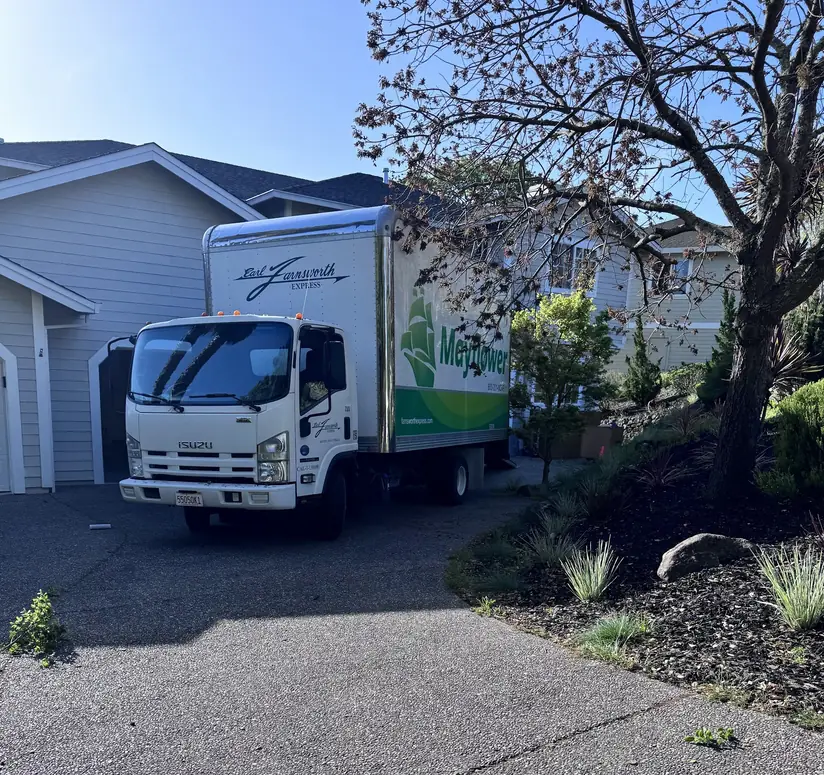
Boxes of books and towels forgive a lot. Crystal, framed glass, a grandmother's china and a refrigerator do not. The difference between a move where everything arrives intact and one where a box rattles when you lift it usually comes down to a handful of packing habits, plus a decision about the items that are worth the most. Here is how we suggest handling both.
Start with the basics that apply to every box
- Use proper cartons and wrapping materials, not whatever is in the garage.
- Close every carton with professional packing tape, which is wide, strong, and clear or brown. Masking tape is not strong enough to hold a fully packed carton.
- Tape the top and the bottom. Folding the flaps shut is not enough.
- Pack items of similar size and weight together, and never make a carton too heavy to lift easily.
- Use crumpled, unprinted newspaper or clean packing paper to fill empty space so nothing shifts.
- Label the contents and the destination room on the outside, and mark the carton fragile with arrows showing which side is up.
Pack the things you seldom use first, and leave daily items for last. Write open first on the box that holds the cooking utensils, bedding and toiletries, so it comes off the truck early.
Dishes, glass and decor
China goes in one piece at a time. Wrap each item separately in unprinted paper and use a partitioned box, such as the dishpak available from Mayflower. Stemware needs a little more thought: wrap the stems first for extra protection, then wrap each glass individually and place it upside down in a partitioned box.
Mirrors and glass-covered photographs or artwork can be strengthened by crossing the glass with a series of masking tape Xs, then wrapping it in a generous cushion of clean paper and setting it in a flattened packing carton or a telescoping one. Lamp shades should be handled only by the wireframe, and they can nest in a large box if clean paper separates them. Silverware nests in groups of three or four, wrapped securely and placed in a silver chest or a cushioned box.
For statuary, figurines and curios, wrap generously in bubble pack, add a layer of clean paper, and use plenty of crumpled paper or packing peanuts between pieces. Anything with delicate extensions, such as a candelabra or a figurine with outstretched arms, deserves an extra layer around the weak point. Records, tapes and discs go on end, packed tightly so they cannot shift. Jars and bottles get bubble wrap or several layers of paper, with lids secured, and flammable items should not be moved at all.
When to ask for crating
Some things are better protected by a custom-built crate than by any carton. Antiques and delicate furniture fall into that group, and so do large framed pieces or fragile items that will travel a long way. Movers can supply specially made crates to secure and ship them, and for long-distance moves our team uses blanket wrap, crating for fragile items and packing materials. If you have a piece you would hate to lose, mention it at your survey so the crate is planned instead of improvised on moving day.
Appliances need attention before the truck arrives
Most refrigerators, washers, dryers and other electrical or mechanical appliances require special servicing to be transported safely. Moving parts, such as motors on major appliances, washer drums, ice makers and the arm on a record player, must be securely fastened. Gas appliances need to be serviced and disconnected before your move.
Whose job is it? The owner's. It is your responsibility to ensure appliances are serviced for shipment before they are loaded on the van. On request, and for an additional charge, a moving company can do this using its own qualified personnel or an authorized service company. Ask when you book, not on the morning of the move. For small appliances, computers and stereo equipment, original boxes are best. If you no longer have them, cushion the item with crumpled packing paper and tape down any moving parts.
Articles of extraordinary value
In the moving industry, an item worth more than $100 per pound is called an article of extraordinary value. Jewelry, furs, art and coin collections, crystal, figurines, antiques, Oriental rugs, precious stones, china and silverware are the usual examples. Mayflower will move these items from your home, but it must be told in writing that they are in the shipment.
That writing is the High-Value Inventory form. You will receive one after the visual survey, or you can ask your coordinator for it, and an online copy is available. Every article of extraordinary value goes on the list. If one is listed, a claim settlement is limited to the value of the article, not to exceed the declared value of the shipment, under the valuation program you chose. If it is not listed, Mayflower's maximum liability is limited to $100 per pound per article. Appraisals may also be required, at your expense. If you have nothing of that kind, sign the form and print the word None on the inventory line.
Questions about wrapping something unusual, arranging a crate, or filling out the form? Call Earl Farnsworth Express at (415) 459-6683, or ask for a free in-home or virtual survey and we will point out the fragile pieces together.
Earl Farnsworth Express Moving, (415) 459-6683
Call (415) 459-6683More articles
Released Rate Liability or Full-Value Coverage: What Your Move Actually Protects
The valuation box on your bill of lading is small, but it decides how much you are owed if something breaks.
Mover-Managed Storage or a Self-Storage Unit When Your Closing Dates Do Not Line Up
When your old home and your new one do not overlap, where your belongings wait matters as much as how they get there.